Fyre Wing™ Rhodonite Coral Bells
 Previous Slide
 Next Slide
WorryFree Promise
 Compactness
 Hardiness
Special Features
 Low Maintenance
 Kid/Pet Friendly
 Good for Containers
 Great for Small Spaces
Fyre Wing™ Rhodonite Coral Bells
Heuchera villosa 'Rhodonite' PPAF
Perennial

Height 8"T
Spread 11"W

Description
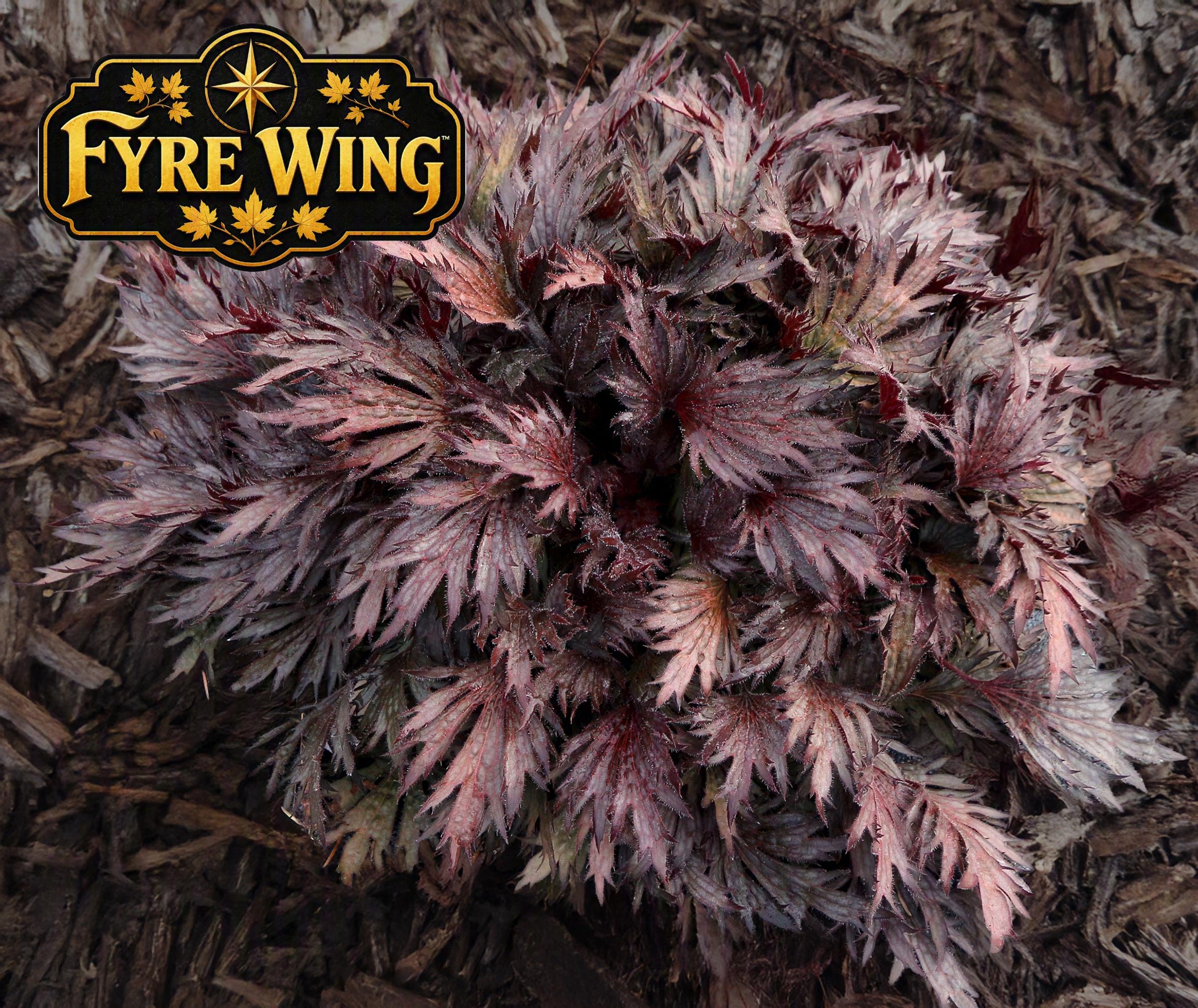
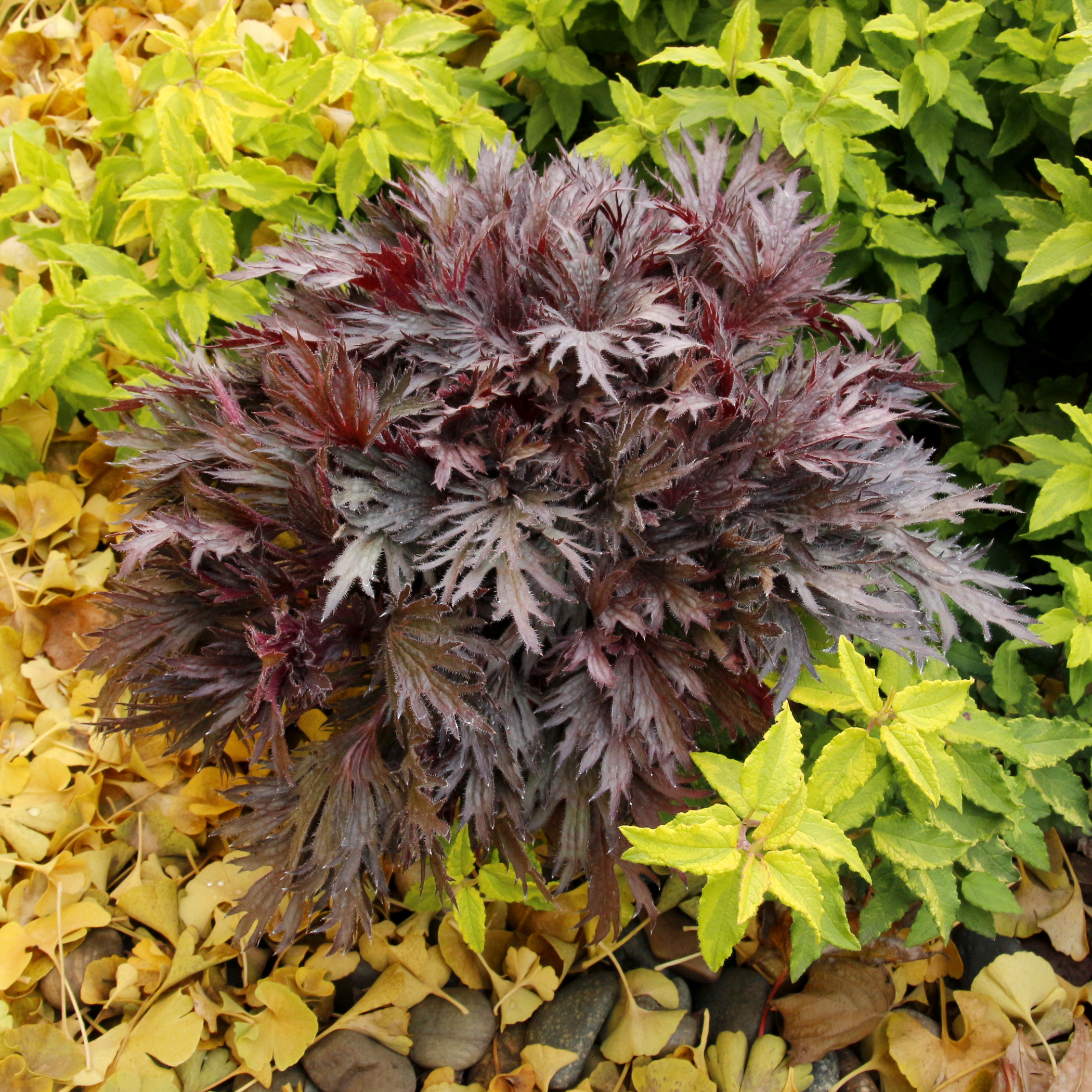
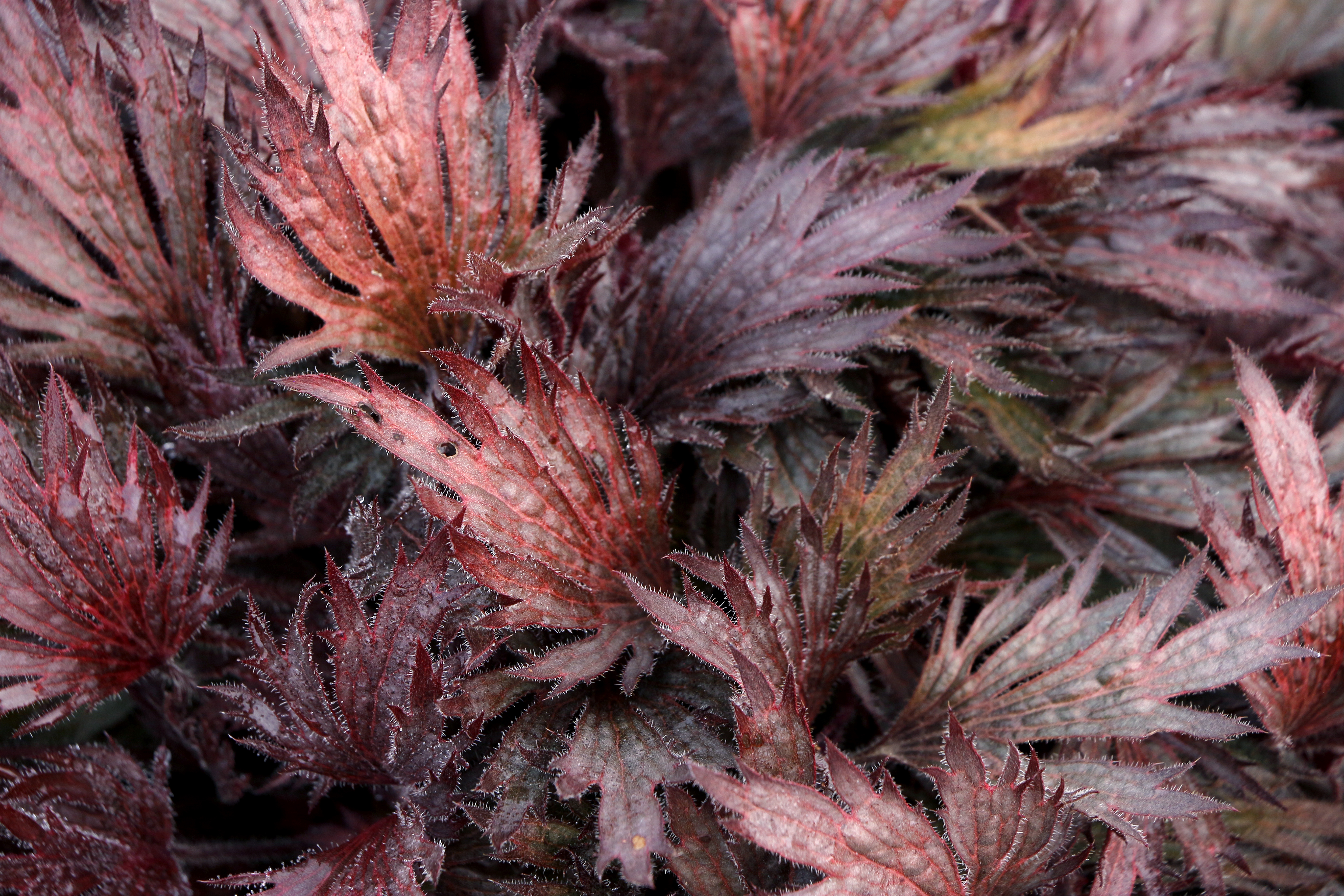
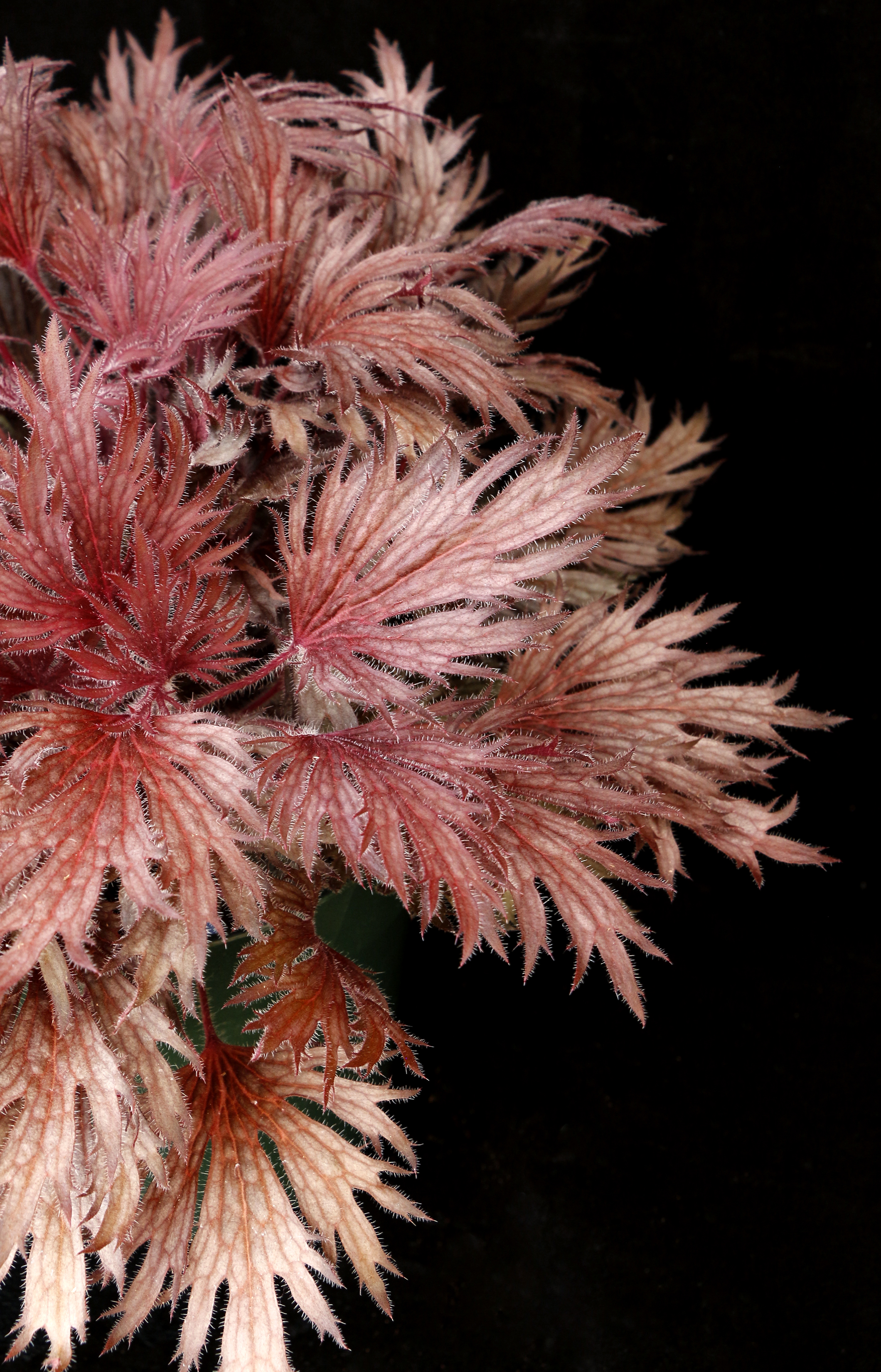
The Heuchera FYRE WING™ Series represents a significant breakthrough as the world's first lace-leaf heuchera collection, featuring seven distinct varieties. The FYRE WINGTM 'Rhodonite' Coral Bells is a breathtaking, worry-free gem boasting deeply cut, lacy foliage that shifts from warm rosy-copper to rich violet-purple. This exceptionally low-maintenance perennial naturally maintains a neat, compact mound that never needs structural pruning. Highly cold-hardy and resilient, it thrives on a low-fertilizer diet and minimal watering, effortlessly delivering year-round dramatic beauty with zero fuss.
Plant Care

Water
'Rhodonite' prefers well draining soil and to dry out between waterings. So before grabbing the hose or watering can, do the 2” test. Simply stick your finger 2” down into the soil. If it’s still moist, hold on watering until it dries down. If it’s dry, you can water.

Fertilizer
'Rhodonite' doesn’t need very much fertilizer. Simply apply one annual application of a balanced slow-release fertilizer in the spring, paired with a simple top-dressing of organic compost.

Pruning
Because ‘Rhodonite’ naturally grows as a tight, compact mound, you never need to cut it back to control its size or shape. However, this plant will benefit from a quick Spring clean up to maintain the plant’s health and appearance. With clean shears, simply trim tattered foliage in early spring to stimulate fresh growth.
Seasons of Interest

Spring
In the spring, the plant pushes out fresh, densely foliated new growth. The new lacy leaves emerge with a bright, warm, rosy-copper hue.

Summer
As the weather warms, the plant adds new dimensions of color. Delicate shades of violet, silver, and purple begin to blend into the copper foliage. During May and June, slender stems rise above the mound to showcase clusters of fine white flowers, adding extra texture.

Fall
By autumn, the foliage reaches full maturity and undergoes its most dramatic shift. The rose and copper tones subside, and rich, deep purple and violet tones take over the plant, offering peak fall interest.

Winter
If you live in a mild climate, the foliage remains completely evergreen. In colder zones, it is semi-evergreen. Even if the outer leaves tatter, the central mound persists through the cold months to provide rare winter color and structure when the rest of the garden is bare.


